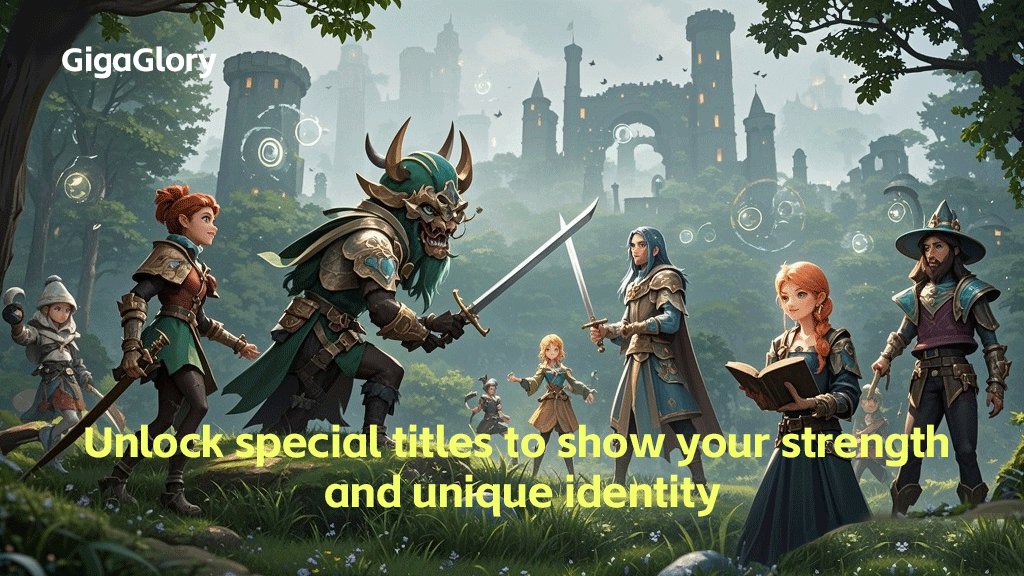
Why Indie RPG Games Are Revolutionizing the Gaming Experience: A Deep Dive
In recent years, indie RPG games have taken the gaming world by storm. Thanks to unique storytelling, innovative gameplay mechanics, and the freedom of expression that indie developers enjoy, these games are not just a passing trend. They are, indeed, revolutionizing how we perceive and engage with video games. Let’s dive deeper into this vibrant world!
1. The Rise of Indie RPGs
When we think about RPG games, big names like Final Fantasy or The Elder Scrolls come to mind. However, indie RPGs have carved out their own niche in the gaming ecosystem. Games like Undertale and Disco Elysium have intersected deeply with gaming culture and prompted conversations around storytelling and player choice.
2. Unique Storytelling Techniques
One of the standout features of indie RPGs is their storytelling. Indie developers often draw from personal experiences, cultural backgrounds, and even local folklore. For instance, A Chinese Fairy Tale Mobile Game New Story has integrated rich narratives stemming from traditional Chinese mythology, providing players a peek into a culture’s depth and beauty.
3. The Power of Player Agency
Player choice is vital in RPGs, but indie games take it to a new level. Titles like Life is Strange allow players to make decisions that truly impact the storyline. Each player’s experience differs, making replay value significantly higher compared to linear narratives found in traditional RPGs.
4. Innovative Gameplay Mechanics
Many indie RPGs introduce fresh gameplay mechanics that challenge the norms of established genres. Whether it’s turn-based combat with a twist or quirky puzzle elements, developers are breaking the mold. For example, Stardew Valley melds farming simulation with RPG elements, creating something entirely new.
5. Community Involvement
Indie developers often foster tighter communities by engaging directly with their audience through platforms like Discord or Twitter. Players become collaborators in the development process, sharing ideas and providing feedback that shapes the final product.
6. Accessibility and Affordability
Indie games often come at a fraction of the price of blockbuster titles. This accessibility means that a wider audience can explore the genre, enhancing diversity in gaming. Additionally, many titles offer demos or pay-what-you-want models, allowing gamers to invest without heavy financial commitment.
7. Diverse Representation
Traditionally, the gaming industry has been criticized for lack of representation. However, indie RPGs are making strides in this area by featuring diverse characters and narratives. Players from various backgrounds can see themselves reflected in the stories being told, fostering a sense of belonging within the gaming community.
8. The Solo RPG Boom
With the rise of solo gameplay among RPG enthusiasts, we have also seen a resurgence in solo RPG board games. These games allow players to immerse themselves in rich narratives without the need for a group. The storytelling becomes personal and introspective, connecting players to their inner worlds.
9. Breaking Genre Conventions
Indie RPGs aren’t afraid to mix genres. The blending of RPG mechanics with other game types, such as roguelikes or visual novels, opens up exciting new avenues for gameplay. This experimentation leads to innovation and refreshingly new experiences for players.
10. Case Study: A Chinese Fairy Tale Mobile Game New Story
| Feature | Details |
|---|---|
| Developer | Indie Developer XYZ |
| Storyline | Based on classic Chinese folklore |
| Gameplay Style | Turn-based strategy with rich narratives |
| Target Audience | Fans of RPGs and Chinese culture |
11. The Role of Technology
The surge of game development tools like Unity and RPG Maker democratizes game creation, allowing indie developers to bring their visions to life without massive budgets. These tools have enabled a renaissance of creativity and originality, pushing the envelope in the RPG genre.
12. Marketing Strategies of Indie Games
Compared to AAA studios, indie developers use grassroots marketing strategies, often leveraging social media to build anticipation and community around their titles. Engaging trailers, gameplay teasers, and influencer partnerships play a crucial role in generating buzz prior to launch.
13. The Future of Indie RPGs
As the industry evolves, it’s clear that indie RPGs will continue to have an integral role in shaping the landscape of gaming. With ongoing innovations and a strong community backing, these games are just getting started. The future promises exciting stories and innovative gameplay that challenge conventions
Conclusion: Embracing Change in Gaming
The indie RPG scene is not just a niche; it’s a powerful movement that is redefining what games can achieve. By telling unique stories, empowering player agency, and embracing diverse gameplay mechanics, indie developers are leading a revolution. If you haven’t explored indie RPGs yet, now is the perfect time to dive in and discover what makes this genre so special.